El Soto de Medinilla: Archaeology of an Early Iron Age tell on the Iberian plateau
Excavations by Palol and Wattenberg (1957–1965) and the University of Valladolid (1989–1990)
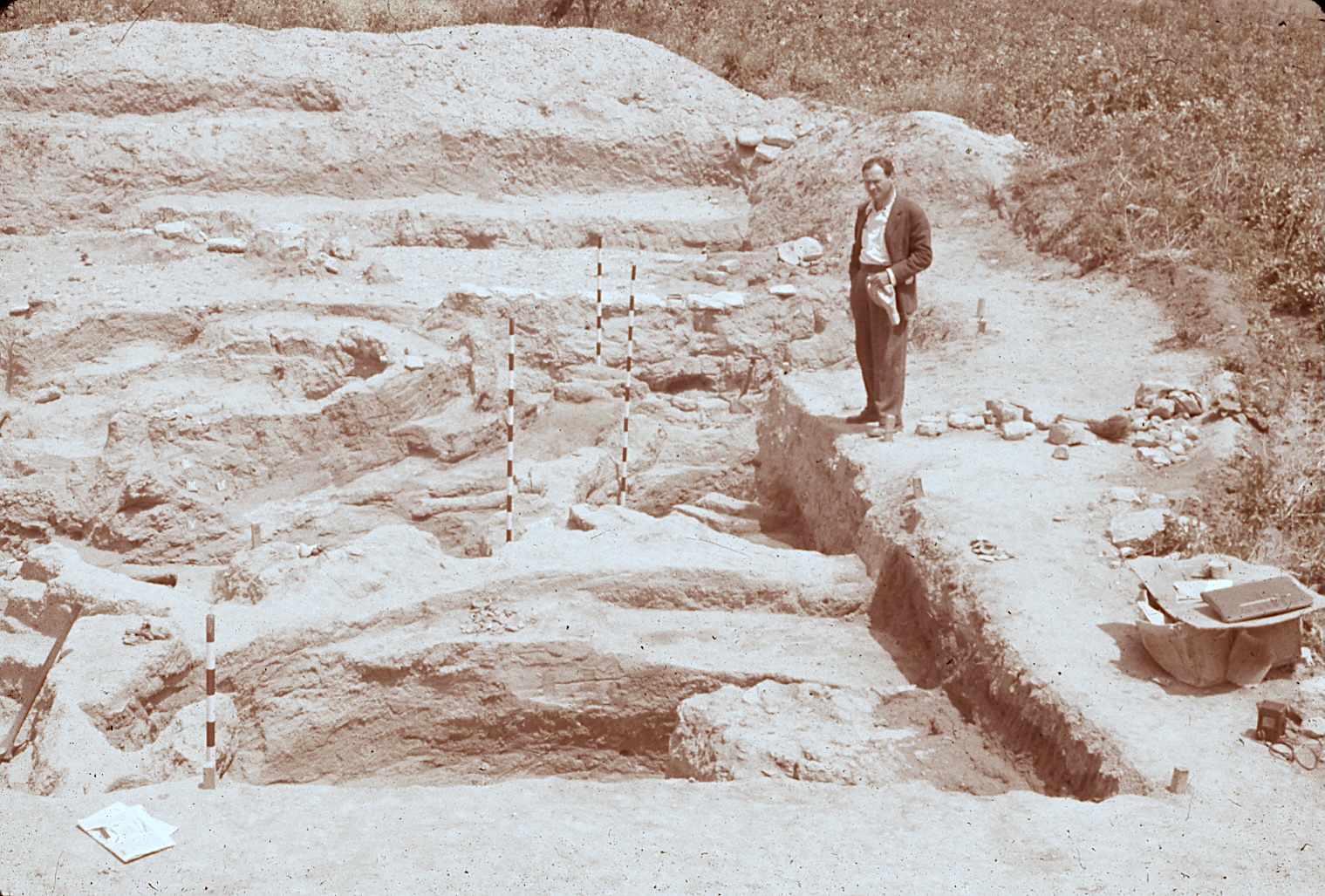
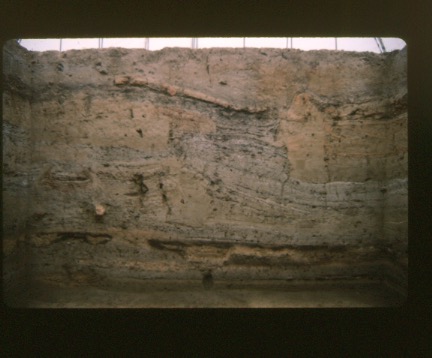
El Soto de Medinilla (41.683241666667, 4.7064111111111) is a tell settlement formed by a stratified deposit about 4 m deep, dated between the Late Bronze Age and the Early Iron Age (ninth to fourth centuries BCE). As the type-site of the so-called “Soto Culture,” El Soto de Medinilla is central to understanding a major period of social and settlement transformation in inland Iberia during the Early Iron Age. This is the consolidation of a long-lived village and the development of new forms of domestic and defensive architecture. Its sequence offers rare insight into the changing organization of everyday life, building practices, and community space over several centuries. The site was excavated by professors at the University of Valladolid, first by Pere de Palol and Federico Wattenberg (1957–1965), and later by Germán Delibes and Fernando Romero (1989–1990).
El Soto de Medinilla also opens an important window onto wider connections across the peninsula and beyond. The re-study of its excavation archives and archaeological assemblages may help identify Phoenician materials, local copies, and possibly faience and other objects pointing to long-distance links with the eastern Mediterranean. By integrating unpublished documentation from these excavation campaigns with a new architectural and stratigraphic synthesis, the project seeks to complete the long-awaited final publication of the site and to reposition El Soto de Medinilla at the center of current debates on connectivity, household archaeology, and social change in later prehistoric Iberia.
Dr. Alejandra Sánchez Polo, archaeologist and researcher whose research focuses on prehistoric and protohistoric earthen architecture and the domestic sphere, is the lead researcher for this Shelby White and Leon Levy Program project, in collaboration with Dr. Carlos Sanz Mínguez.