Portus: The Maritime Harbour of Imperial Rome
Excavations of the University of Southampton, 2013–2018
Portus (Fiumicino, Italy; 41°46'41" N, 12°15'26" E) was the maritime port of ancient Rome. Together with the neighbouring river port at Ostia, it formed the centre of a vast and dynamic network of harbours that sustained the city between the mid-1st and 6th centuries AD. Conceived as an imperial response to the immense logistical demands of supplying what was, in effect, the first true metropolis in human history, Portus rapidly became Rome’s lifeline and a critical hub within the interconnected economies of the Roman Mediterranean.
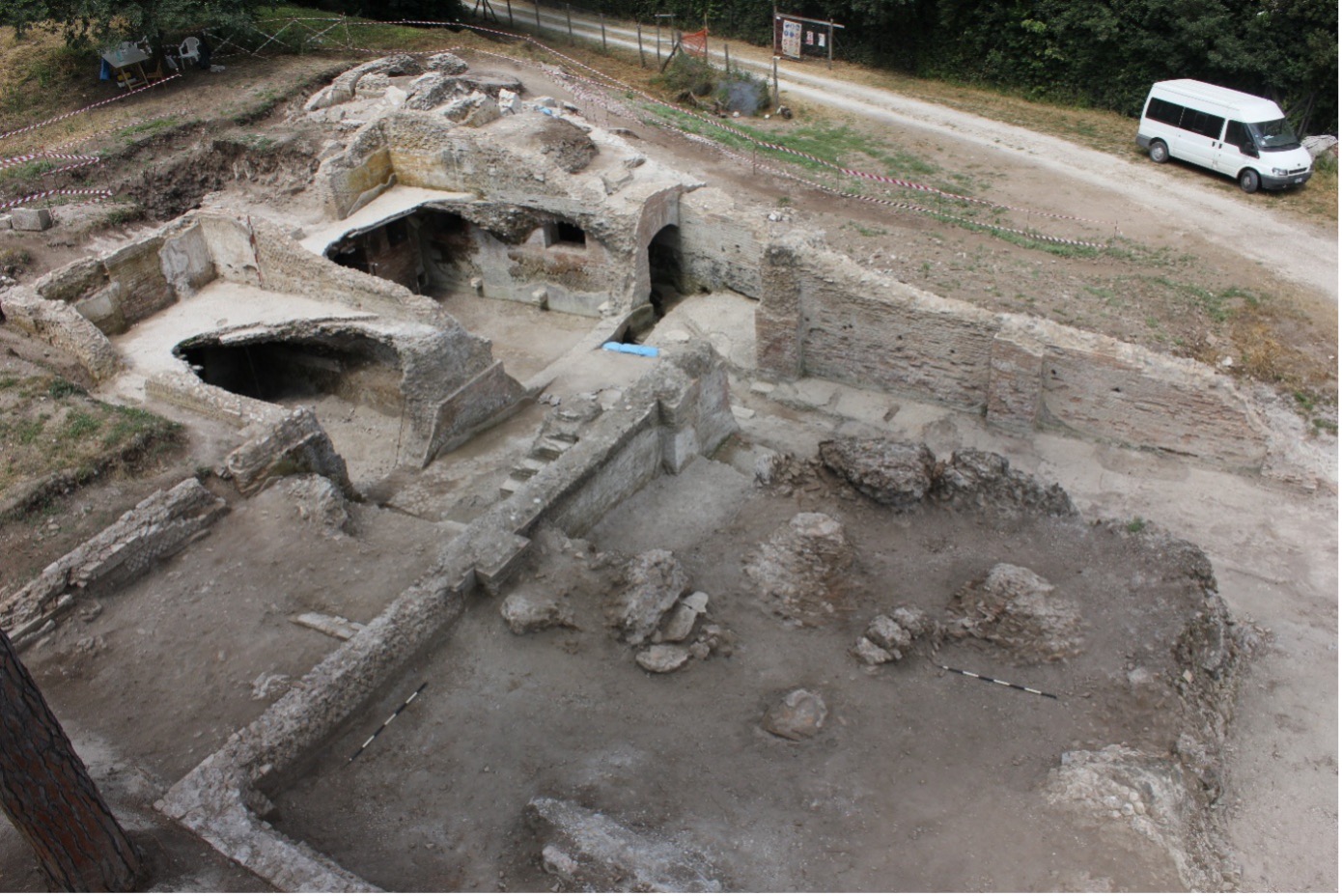
Despite its historical significance, Portus remained poorly understood until the multi-phase Portus Project undertook the first systematic archaeological investigation of the site. Building on extensive geophysical and surface surveys (1998–2004), two major excavation phases were carried out at the centre of the port (2007–2012 and 2013–2018), integrating large-scale excavations and high-resolution geophysical surveys. The first phase of excavations clarified the site’s topography, identified its principal structures, and established their major developmental phases. Complementary geoarchaeological studies of the sedimentary sequences further defined the extent, location, and function of the port’s basins and canals, while work in the hinterland provided new insights into the surrounding landscape and the infrastructural links between Portus and Ostia, revealing the complexities of Rome’s integrated maritime and fluvial port system.
The publication project, directed by Dragana Mladenović, seeks to bring the results of the 2013–2018 campaigns to full scholarly dissemination. The findings of these seasons are of particular significance for three interrelated research themes. Firstly, they enable a reassessment of key structures, notably the Palazzo Imperiale and the Navalia, both central to understanding the function, development, and ultimate fate of the harbour complex. Secondly, the material provides the basis for reconstructing the scale and character of commercial activity at Portus through integrated ceramic, zooarchaeological, and archaeobotanical analyses. Thirdly, it allows for a more refined understanding of the economic and political contraction of the Late Antique Mediterranean and the processes underlying the decline of Rome’s imperial logistics.
The Portus Project archived website can be accessed here