
North Saqqara, elite cemetery of Memphis at the time of state formation
Whereas the North Saqqara plateau is arguably one of the most important sites for the early history of Egypt, its understanding has been hindered by the limited available documentation. Various unfortunate circumstances prevented the archaeologists who led excavations in the area, such as Cecil M. Firth and Walter B. Emery, from publishing the results of their work in a comprehensive manner. As a result, more than 160 excavated tombs remain unknown to the scientific community and the broader public. The main objective of this project is the publication of these records, which provides an unprecedented opportunity for reinterpreting the main elite cemetery of Memphis during the Early Dynastic Period.
As a result of his doctoral dissertation, the director of the project succeeded in putting a large amount of the documentation back in context, reconstructing a sizable portion of the missing plan of the site. This now allows many of the formerly decontextualized photographs and notes to be studied in a coordinated manner by specialists. The analysis of pottery, inscriptions, human and animal remains, and other materials promises to significantly enhance our understanding of North Saqqara. Additionally, the study of the archival materials will be complemented by the scientific analysis of a series of organic samples collected from various structures on the plateau, including species identification and radiocarbon dating.
The publication project is directed by Dr. Sergio Salarcon Robledo.

Fig. 1: Archival image of the excavations of Walter B. Emery. Unknown tomb number. (Courtesy of Geoffrey T. Martin, Kate Spence, and the Isaac Newton Trust)
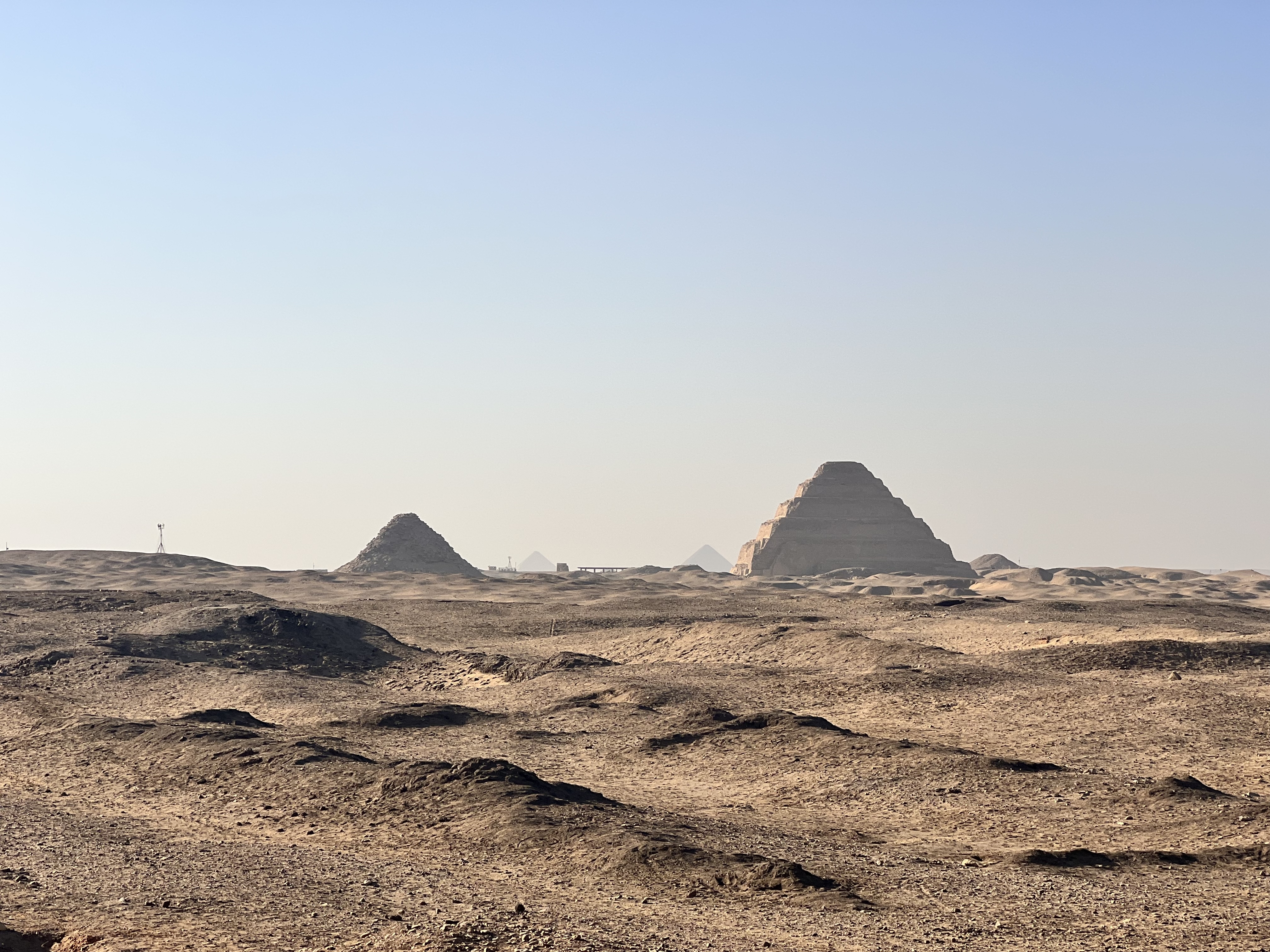
Fig. 2. View of the North Saqqara plateau, with the pyramids of Userkaf, Djoser, and Sneferu in the background.
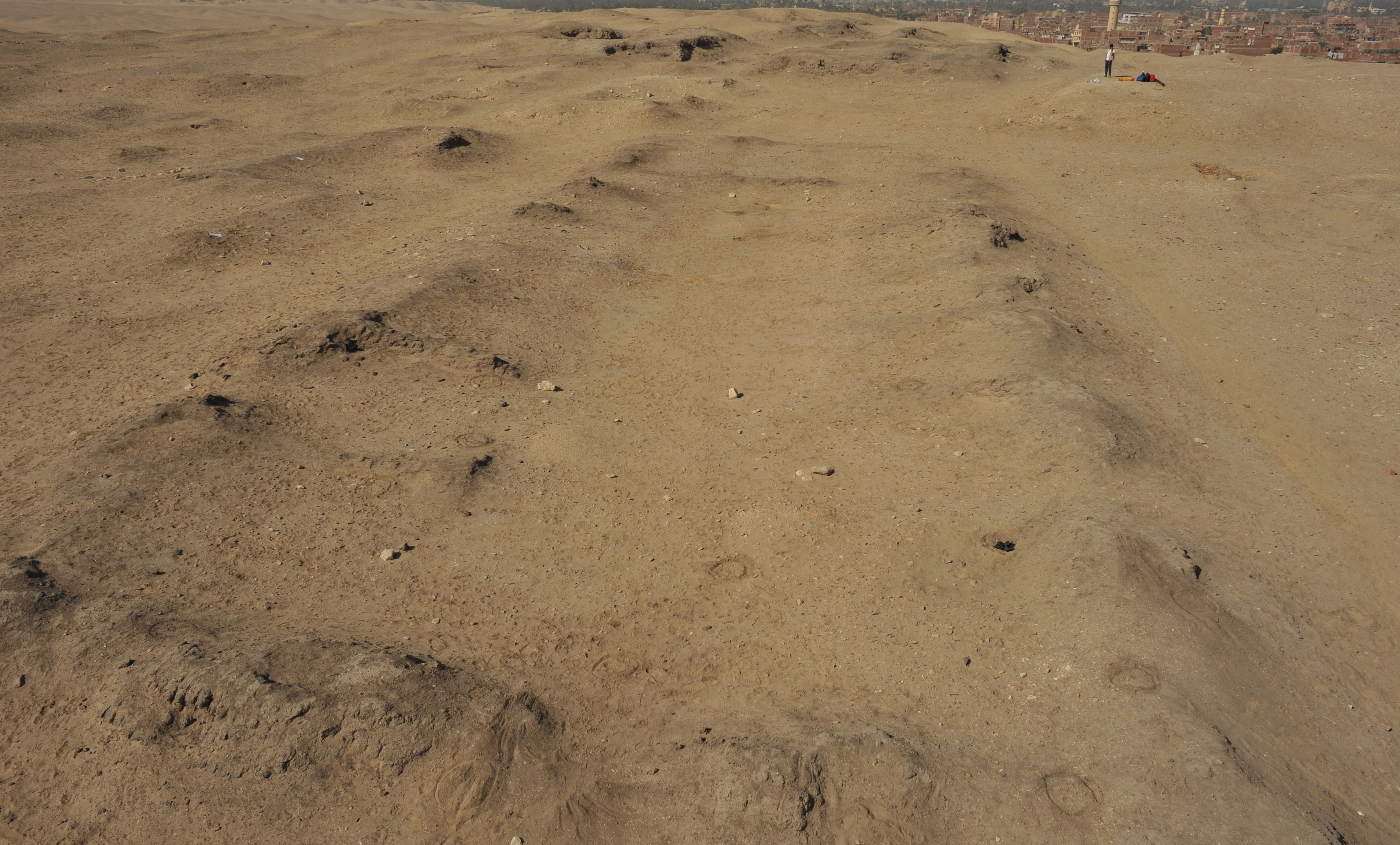
Fig. 3. View of one of the First Dynasty mastabas, numbered 3357, in its current state.